Jazz and Music Festival Channels on Telegram: How Organisers and Music Communities Earn from Ads
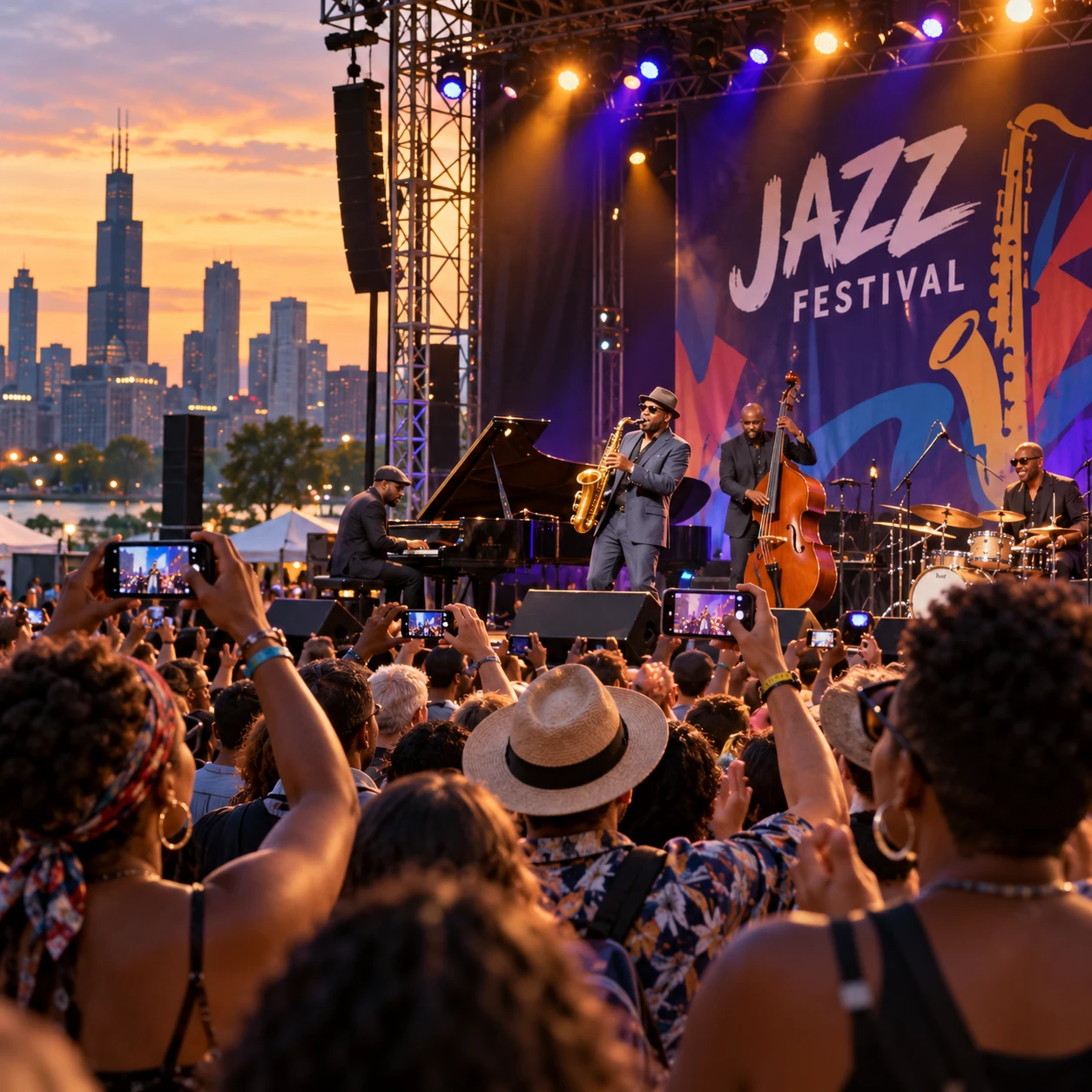
I've watched the UK jazz scene flourish over the past few years, and one of the most exciting developments has been the migration of festival communities onto Telegram. From intimate jazz club followings in Manchester to the massive audiences inspired by events like London Jazz Festival and Love Supreme, organisers are discovering that Telegram offers something traditional social platforms simply can't match: direct, unfiltered access to their most dedicated fans.
What started as a practical solution for sharing lineup announcements and ticket drops has evolved into something far more valuable. These channels have become thriving communities where jazz enthusiasts discuss everything from Kamasi Washington's latest release to the best coffee spots near Ronnie Scott's. And here's the part that really excites me: these aren't just passion projects anymore. Festival organisers and music communities across the UK are learning that these engaged audiences represent genuine revenue opportunities through advertising—without compromising the integrity of their communities.
Why UK Jazz and Music Festival Communities Are Moving to Telegram
I've spoken with dozens of festival organisers, and the frustration with traditional social media is universal. You pour energy into building a Facebook following or Instagram audience, only to have algorithms decide that maybe 5% of your fans actually see your posts. When you're announcing a surprise gig featuring Nubya Garcia or releasing early bird tickets, that algorithmic lottery isn't just frustrating—it's a business problem.
Telegram solves this immediately. Every message reaches every subscriber. There's no pay-to-play algorithm determining who sees your announcement about this year's Cheltenham Jazz Festival lineup. The platform supports rich media beautifully, meaning organisers can share high-quality photos, video teasers, audio clips from previous performances, and detailed event information all in one place.
What I find particularly compelling is how Telegram facilitates genuine community building. Unlike Twitter's chaotic threads or Instagram's ephemeral stories, Telegram channels create permanent, searchable archives of festival history. Fans can scroll back through previous years' announcements, relive memorable performances, and feel connected to something larger than a single event. This sense of continuity transforms casual attendees into devoted community members.
The Role of Niche Audiences in Music Marketing
Here's something I've learned from running music communities: smaller doesn't mean less valuable. In fact, when it comes to advertising potential, a channel with 2,000 engaged jazz enthusiasts often outperforms a generic entertainment page with 50,000 passive followers.
Jazz fans are passionate. They invest in vinyl, attend multiple festivals annually, subscribe to streaming services, purchase quality audio equipment, and travel for live music experiences. This isn't a demographic that scrolls mindlessly—these are people actively seeking new artists, events, and music-related products. Advertisers understand this distinction, and they're willing to pay premium rates to reach audiences this targeted and engaged.
What Makes Jazz and Festival Channels Attractive to Advertisers
From my conversations with brands and marketing professionals, several characteristics make UK jazz and festival Telegram channels particularly appealing advertising venues. First, there's the engagement quality. When I post about an upcoming Ezra Collective performance or share a deep dive into modal jazz, the responses aren't just emojis—they're genuine discussions, questions, and conversations that can run for hours.
Event-based engagement spikes provide another advantage. In the weeks leading up to major festivals, channel activity surges. People are checking constantly for schedule updates, artist announcements, and logistical information. This predictable pattern allows advertisers to time campaigns perfectly, reaching audiences when they're most receptive and already in a mindset to make purchasing decisions.
The demographic profile matters enormously too. UK jazz and festival audiences tend to skew toward professionals aged 25-55 with disposable income, cultural interests, and willingness to invest in experiences. Music equipment manufacturers, audiophile brands, ticketing platforms, streaming services, hospitality businesses near festival venues, and cultural tourism operators all recognize the value of this audience.
How Organisers Can Start Earning from Ads
The monetisation process is more straightforward than many organisers realize, and I wish I'd understood this earlier in my own community-building journey. The first step involves establishing your channel's analytics—understanding your subscriber count, engagement rates, peak activity times, and audience demographics. Telegram provides basic metrics, but third-party analytics tools can offer deeper insights that advertisers find valuable.
Once you've documented your channel's reach and engagement, the next step is connecting with appropriate advertisers. This is where many organisers get stuck, unsure how to bridge the gap between community management and revenue generation. The good news is that specialized platforms now exist specifically for this purpose. Through services where you can get paid for ads in your Telegram channel, festival organisers can connect with vetted advertisers targeting music and entertainment audiences, negotiate fair rates, and manage campaigns without needing an entire marketing department.
I've seen channels with as few as 1,000 highly engaged subscribers begin generating meaningful revenue—enough to offset community management time, fund better content creation, or reinvest into festival programming. The key is treating your channel as what it actually is: a media property with measurable reach and influence within a valuable niche.
Best Practices to Monetise Without Alienating Your Audience
This is where many well-intentioned monetisation efforts stumble, and I want to address it directly because maintaining community trust is absolutely non-negotiable. Your subscribers joined for festival updates, jazz discussions, and cultural connection—not to become targets for irrelevant spam. The challenge is integrating advertising in ways that feel like natural extensions of your content rather than interruptions.
Choosing the Right Ad Formats
Not all advertising looks like advertising. The most successful campaigns I've seen in music festival channels use native-style formats that match the channel's existing content patterns. For example, if you regularly feature 'Artist Spotlight' posts highlighting performers, a sponsored spotlight for a jazz venue or music festival in a neighboring region feels appropriate and valuable to your audience.
Timing matters significantly. Placing an ad for premium headphones immediately before announcing your festival's headliner creates context that makes the promotion feel relevant rather than random. Similarly, partnerships with local businesses—restaurants, hotels, transportation services—work beautifully when tied to specific festival dates and positioned as helpful information for attendees.
Balancing Promotion and Community Value
I follow a personal rule: for every sponsored post, I publish at least four pieces of genuine, valuable community content. This 80/20 ratio ensures that advertising never overwhelms the core purpose of the channel. Your audience will tolerate—and sometimes even appreciate—relevant advertising if they trust that the channel's primary mission remains unchanged.
Relevance filtering is crucial. I've turned down advertising opportunities that offered substantial payments because the products simply weren't appropriate for my audience. A jazz festival channel should promote things jazz fans actually care about: instruments, concerts, albums, music education, cultural events, relevant travel experiences. Generic consumer products or completely unrelated services damage credibility faster than any revenue stream can justify.
Transparency builds trust. I always clearly label sponsored content, and I've found that honest disclosure actually increases rather than decreases engagement. People respect honesty, and they understand that quality content creation requires resources. When subscribers see that advertising enables better festival coverage, exclusive interviews, or enhanced community features, they become supporters of the monetisation model rather than critics of it.
Common Mistakes Festival Organisers Should Avoid
I've made enough mistakes in this space to help others avoid them, and I've observed countless other organisers stumble in predictable ways. The most damaging error is overmonetisation—flooding channels with so many ads that the community purpose becomes obscured. I've watched thriving channels lose 30-40% of their subscribers within weeks after implementing aggressive advertising schedules. The revenue from those additional ads never compensates for the loss of audience reach and engagement.
Ignoring audience feedback is another critical mistake. When subscribers express concerns about ad frequency, relevance, or placement, that feedback is invaluable market research being offered for free. I make it a practice to periodically ask my community directly: 'How are we doing with the balance between festival content and partnerships?' The responses guide my monetisation strategy more effectively than any external consultant could.
Failing to properly disclose sponsored content isn't just ethically questionable—in the UK, it potentially violates ASA guidelines and consumer protection regulations. The legal framework around influencer marketing and digital advertising continues to evolve, and festival organisers need to treat their channels as publishers subject to the same transparency standards as traditional media.
Perhaps the subtlest mistake is choosing advertising partners based solely on payment rates without considering brand alignment. A high-paying advertiser whose values conflict with your festival's ethos or whose product quality is questionable can inflict long-term reputation damage that far exceeds any short-term financial gain. I've learned to research advertising partners as carefully as I would research artists before booking them for a festival lineup.
Walking away from the UK jazz scene's growth on Telegram, I'm convinced we're witnessing the early stages of a significant shift in how music communities sustain themselves financially. Festival organisers who've historically struggled with the economics of event production—balancing artist fees, venue costs, and promotion expenses against ticket revenue—now have an additional revenue stream that leverages the communities they've already built.
The beauty of this model is its alignment with organisers' existing work. You're already creating content, sharing updates, and fostering discussions. Monetisation doesn't require fundamentally changing what you do; it requires recognizing the value of what you've already built and finding partners who want access to your engaged audience. The festivals that thrive over the next decade will be those that view their Telegram communities not as marketing afterthoughts, but as valuable media properties worthy of strategic development and thoughtful monetisation.
If you're running a jazz club, managing a festival following, or cultivating any music community on Telegram, I'd encourage you to explore advertising partnerships as a natural evolution of your work rather than a compromise of your values. Done properly, with attention to relevance, transparency, and community value, monetisation becomes a tool for sustainability—enabling you to do more of what you love, connect more deeply with your audience, and contribute more substantially to the UK's vibrant jazz and music festival ecosystem.


