How to Monetize Your Telegram Channel in 2026: A UK Publisher's Guide to Turning Subscribers into Steady Ad Revenue

Over the past couple of years, I've watched Telegram quietly become one of the most valuable publishing platforms for UK creators. It's not flashy, and it doesn't dominate headlines the way Instagram or X do, but the numbers tell a different story. More and more British publishers—covering everything from football transfer news to personal finance tips—are building loyal communities on Telegram and, crucially, figuring out how to actually earn from them. If you're running a channel and wondering how to turn those subscribers into a reliable income stream, this guide is for you.
Why Telegram Is a Goldmine for UK Publishers in 2026
Telegram's appeal for monetization comes down to a few simple truths. Engagement rates on the platform routinely outperform mainstream social media, partly because there's no aggressive algorithm burying your posts. When you publish something, your subscribers actually see it. That alone changes the economics of running a channel.
UK audiences have also embraced Telegram across a surprising range of niches—news aggregation, crypto and stock trading communities, football and betting tips, lifestyle and deals channels. These aren't casual scrollers either; they're people who opted in specifically because they wanted focused, uninterrupted content. That kind of intent-driven audience is exactly what advertisers pay a premium for.
The Shift From Social Media to Owned Channels
I think the bigger story here is why creators are moving away from platforms like Instagram and X in the first place. Shadowbanning, unpredictable reach drops, and constant algorithm changes have made it nearly impossible to build a stable audience relationship elsewhere. Telegram flips that. You own the connection to your subscribers, your reach isn't throttled overnight, and trust builds naturally because there's no noisy feed competing for attention. For UK publishers specifically, this direct-reach model has made Telegram a far more dependable foundation for long-term monetization.
Understanding Telegram Monetization Models
Before diving into ad networks specifically, it's worth understanding the full menu of options available to channel owners in 2026:
- Sponsored posts – one-off paid placements from brands
- Native ad placements – ads formatted to blend with your regular content
- Affiliate links – commission-based promotion of products or services
- Paid subscriptions – premium content tiers for dedicated followers
- Ad network partnerships – automated, ongoing ad matching and payment systems
Each has its place, but for most UK publishers I've spoken with, the real turning point in their income comes when they move beyond one-off sponsorships into something more structured and repeatable.
Direct Sponsorships vs. Ad Networks
Chasing individual brand deals can work, but it's exhausting. You're pitching, negotiating rates, chasing invoices, and often dealing with brands that ghost you halfway through a campaign. It's time-consuming and rarely scales well unless you have a dedicated sales team—which most independent publishers don't.
Ad networks solve this by acting as the middleman. They match your channel with relevant advertisers automatically, handle payment processing, and maintain a consistent flow of ad opportunities without you having to send a single cold pitch. For publishers who want predictable income rather than sporadic windfalls, this shift is often the difference between monetization as a hobby and monetization as a genuine revenue stream.
How to Get Paid for Ads in Your Telegram Channel Through Trusted Ad Networks
This is where things get practical. Ad networks built specifically for Telegram work by connecting your channel's audience data—subscriber count, engagement metrics, niche category—with advertisers looking to reach exactly that kind of audience. Once matched, the network handles the ad delivery, tracks performance, and pays you on a set schedule, usually based on CPM (cost per thousand views) or a flat sponsored rate.
What I appreciate about working through an established network rather than going it alone is the compliance layer. Reputable platforms vet advertisers, meaning you're less likely to end up promoting something dodgy or misleading to your own subscribers—which matters a lot when your entire value proposition is trust.
One platform that's gained solid traction among UK Telegram publishers is MangoAds, where you can get paid for ads in your Telegram channel without the hassle of manual brand outreach. It's built specifically for publishers looking for a straightforward, reliable way to monetize existing traffic, with transparent payment terms and support for channels across different niches and sizes.
What to Look for in an Ad Network
Not all networks are created equal, so before signing up anywhere, check for:
- Payment reliability – consistent, on-time payouts with clear terms
- Minimum subscriber requirements – some networks accept smaller channels, others don't
- Ad format flexibility – native posts, banners, or interactive formats
- Competitive CPM rates – rates should reflect your niche and engagement quality
- UK publisher support – currency handling, local advertiser matching, and responsive support teams
Preparing Your Channel for Advertisers
Before you even apply to a network, it's worth putting in some groundwork. Advertisers—and the networks representing them—care far more about an engaged audience than a large one. A channel with 5,000 highly active subscribers often outperforms one with 50,000 passive followers who never open a post.
Defining your niche clearly also matters. Vague, generalist channels struggle to attract targeted advertisers because there's no obvious audience match. Posting consistently—daily or several times a week—signals reliability, both to your subscribers and to any network evaluating your channel's health.
Key Metrics Advertisers Care About
When advertisers or networks assess a channel, they typically look at:
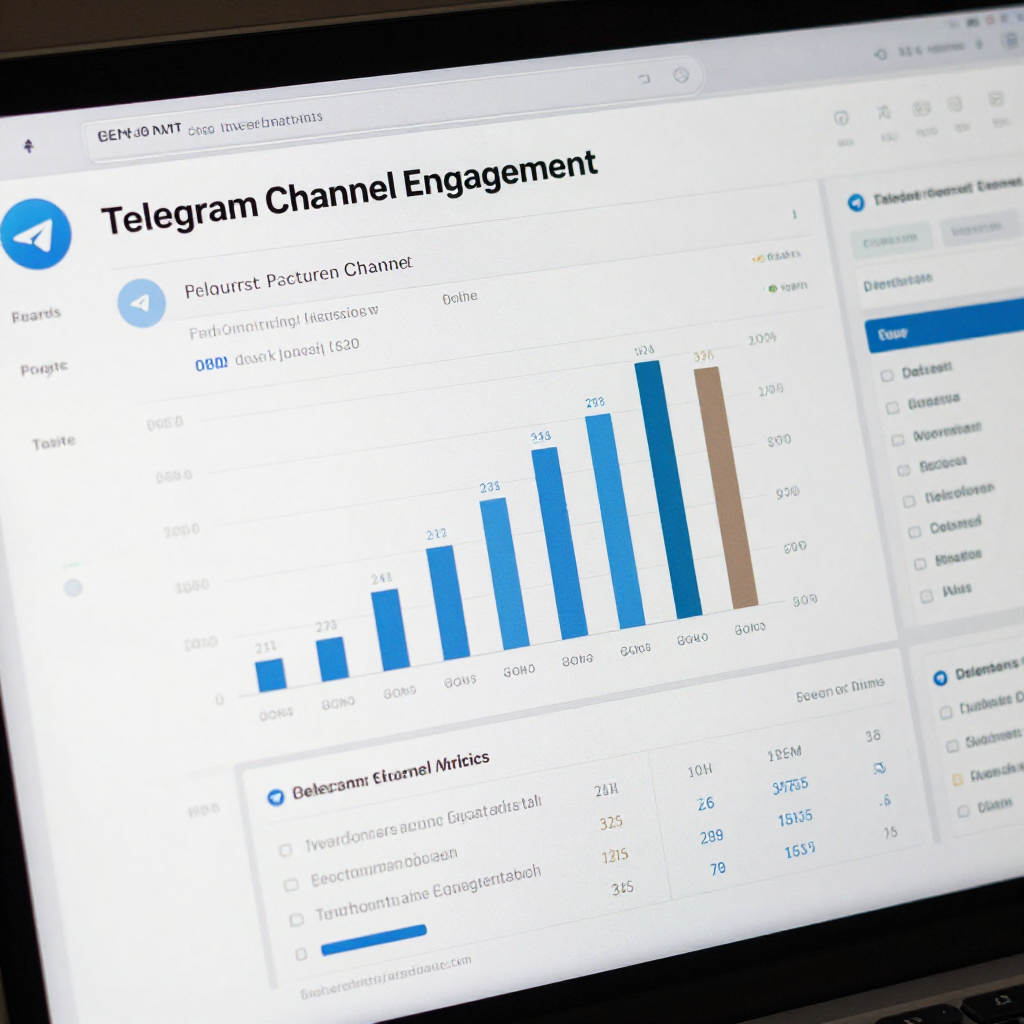
- Engagement rate – reactions, forwards, and comments relative to subscriber count
- Subscriber authenticity – real, active users rather than inflated bot numbers
- Average views per post – a more honest indicator than total follower count
- Audience demographics – UK-specific location, age, and interest data
Best Practices for Sustainable Ad Revenue
Once you're monetizing, the goal shifts to keeping that revenue steady without burning out your audience. A few things I'd genuinely recommend:
- Balance ad frequency with content quality—don't let ads outnumber the value you're providing
- Disclose sponsored content clearly, in line with UK ASA guidelines, to maintain trust and stay compliant
- Diversify revenue streams rather than relying solely on one ad network or sponsor
- Negotiate fair rates based on your actual engagement data, not just subscriber count
Common Mistakes UK Telegram Publishers Should Avoid
I've seen plenty of promising channels stumble by making avoidable errors. The most common ones include overloading channels with too many ads too quickly, which drives subscribers away almost immediately. Ignoring subscriber feedback is another—if people are complaining about ad frequency or relevance, that's worth listening to.
Working with unreliable, unvetted networks is a frequent trap too, often resulting in missed payments or mismatched, low-quality ads that damage credibility. And perhaps the biggest long-term mistake is sacrificing content quality for short-term ad gains—once trust erodes, it's incredibly hard to rebuild.
Building a monetized Telegram channel isn't about overnight success—it's about steadily growing an engaged, trusting audience and then pairing that with the right monetization partners. Start small, focus on genuine subscriber value, and explore reputable ad networks as your channel matures. With the right approach, 2026 could be the year your Telegram audience finally becomes a consistent, sustainable source of income.


